
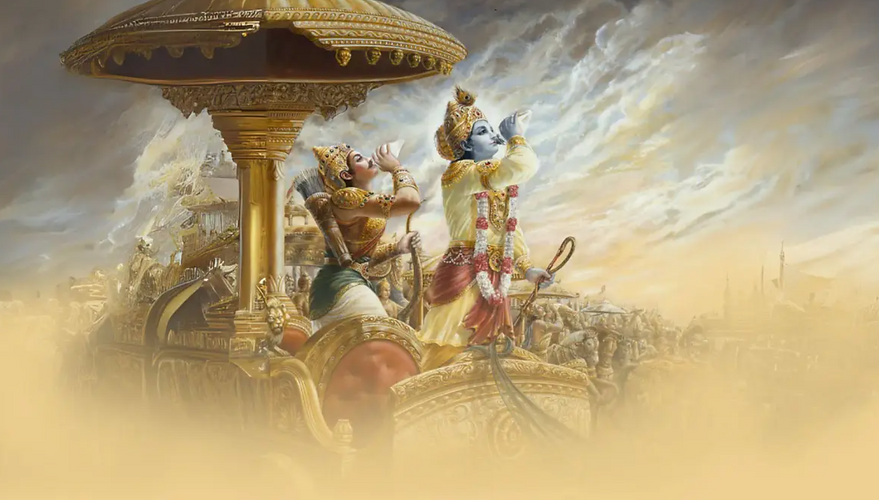
Bhagvad Gita Chapter 16
भगवद् गीता अध्याय १६
Bhagvad Gita Chapter 16 - Daivasura Sampad Vibhaga Yog
भगवद गीता का अध्याय १६ - दैवासुर सम्पदा विभाग योग
Chapter 16 of the Bhagavad Gita is titled "Daivasura Sampad Vibhaga Yog", which means The Yog of the Division between the Divine and Demoniac Natures. In this chapter, Lord Krishna describes the two fundamental qualities or tendencies found in human beings—the divine nature (Daivi Sampad) and the demoniac nature (Asuri Sampad).
The divine nature is marked by qualities such as fearlessness, truthfulness, compassion, humility, non-violence, self-control, and devotion to the Divine. These qualities elevate a person spiritually and lead them toward liberation (moksh). People with divine traits follow dharma, live with awareness, and align themselves with truth and higher consciousness.
In contrast, the demoniac nature is characterized by arrogance, hypocrisy, anger, cruelty, ignorance, and a disregard for dharma or moral principles. Such individuals are driven by ego, desire, and delusion, ultimately leading to bondage and suffering. Krishna warns that those under the influence of demoniac tendencies remain trapped in the cycle of birth and death and fall further into darkness.
This chapter serves as a mirror for self-reflection, encouraging individuals to recognize and cultivate the divine qualities within while becoming aware of and transforming negative tendencies. Lord Krishna emphasizes that one's actions and inner nature determine their spiritual path and destiny.
The purpose of Chapter 16 is to guide the seeker toward self-purification by choosing the path of divine virtues. It encourages living a life of discipline, ethics, and surrender to the Divine, which ultimately leads to freedom, peace, and union with the Supreme.
भगवद गीता के अध्याय 16 का शीर्षक "दैवासुर सम्पदा विभाग योग" है, जिसका अर्थ है दैवीय और आसुरी प्रकृति के बीच विभाजन का योग। इस अध्याय में, भगवान कृष्ण मनुष्य में पाए जाने वाले दो मौलिक गुणों या प्रवृत्तियों का वर्णन करते हैं- दैवीय प्रकृति (दैवी सम्पदा) और आसुरी प्रकृति (आसुरी सम्पदा)।
दैवीय प्रकृति में निर्भयता, सत्यनिष्ठा, करुणा, विनम्रता, अहिंसा, आत्म-संयम और ईश्वर के प्रति समर्पण जैसे गुण होते हैं। ये गुण व्यक्ति को आध्यात्मिक रूप से ऊपर उठाते हैं और उसे मुक्ति (मोक्ष) की ओर ले जाते हैं। दैवीय गुणों वाले लोग धर्म का पालन करते हैं, जागरूकता के साथ जीते हैं और खुद को सत्य और उच्च चेतना के साथ जोड़ते हैं।
इसके विपरीत, आसुरी प्रकृति में अहंकार, पाखंड, क्रोध, क्रूरता, अज्ञानता और धर्म या नैतिक सिद्धांतों की अवहेलना होती है। ऐसे व्यक्ति अहंकार, इच्छा और भ्रम से प्रेरित होते हैं, जो अंततः बंधन और पीड़ा की ओर ले जाते हैं। कृष्ण चेतावनी देते हैं कि आसुरी प्रवृत्तियों के प्रभाव में रहने वाले लोग जन्म और मृत्यु के चक्र में फंसे रहते हैं और अंधकार में और भी अधिक गिर जाते हैं।
यह अध्याय आत्म-चिंतन के लिए एक दर्पण के रूप में कार्य करता है, जो व्यक्तियों को नकारात्मक प्रवृत्तियों के बारे में जागरूक होने और उन्हें बदलने के साथ-साथ अपने भीतर के दिव्य गुणों को पहचानने और विकसित करने के लिए प्रोत्साहित करता है। भगवान कृष्ण इस बात पर जोर देते हैं कि व्यक्ति के कर्म और आंतरिक स्वभाव उसके आध्यात्मिक मार्ग और नियति को निर्धारित करते हैं।
अध्याय 16 का उद्देश्य साधक को दिव्य गुणों का मार्ग चुनकर आत्म-शुद्धि की ओर ले जाना है। यह अनुशासन, नैतिकता और ईश्वर के प्रति समर्पण का जीवन जीने को प्रोत्साहित करता है, जो अंततः स्वतंत्रता, शांति और सर्वोच्च के साथ मिलन की ओर ले जाता है।
श्रीभगवानुवाच |
अभयं सत्त्वसंशुद्धिर्ज्ञानयोगव्यवस्थिति: | दानं दमश्च यज्ञश्च स्वाध्यायस्तप आर्जवम् || 1||
अहिंसा सत्यमक्रोधस्त्याग: शान्तिरपैशुनम् | दया भूतेष्वलोलुप्त्वं मार्दवं ह्रीरचापलम् || 2||
तेज: क्षमा धृति: शौचमद्रोहोनातिमानिता | भवन्ति सम्पदं दैवीमभिजातस्य भारत || 3||
The Blessed Lord said: Fearlessness, purity of heart, steadfastness in the path of knowledge and yog, charity, self-control, sacrifice, study of the scriptures, austerity, and uprightness—
Non-violence, truthfulness, absence of anger, renunciation, tranquility, aversion to fault-finding, compassion toward all beings, absence of greed, gentleness, modesty, and lack of restlessness—
Vigor, forgiveness, fortitude, cleanliness, absence of hatred, and absence of pride—these qualities, O Bhārata (Arjun), are the characteristics of one born with divine nature.
In these verses, Lord Krishna enumerates the qualities that arise from a divine nature (daivī sampad). These virtues are not just moral behaviors but expressions of inner spiritual evolution. Beginning with fearlessness (as it reflects freedom from ego and attachment), and purity of heart, the list includes steadfast commitment to knowledge, spiritual discipline, and generous, selfless actions. Non-violence and truth point to internal alignment, while qualities like forgiveness, modesty, and absence of pride show ego transcendence. These traits cultivate harmony with oneself and the world. Lord Krishna implies that one who is born with—or consciously cultivates—these traits is destined for liberation. This divine disposition contrasts with demonic tendencies (explored later) and reflects readiness for higher spiritual states. The verses are a guide for ethical living and a mirror for self-reflection, reminding the seeker what an awakened soul naturally embodies.
-
श्रीभगवान् ने कहा: अभय (निर्भयता), सत्त्व की शुद्धि, ज्ञानयोग में स्थिरता, दान, इंद्रियों पर संयम, यज्ञ, स्वाध्याय, तप और सरलता—
-
अहिंसा, सत्य, क्रोध का अभाव, त्याग, शांतचित्तता, दोषदर्शन से विरक्ति, सभी प्राणियों पर दया, लोभ का अभाव, कोमलता, लज्जा और चंचलता का अभाव—
-
तेज (आत्मिक ऊर्जा), क्षमा, धैर्य, शुद्धता, द्वेष का अभाव और अहंकार का न होना—हे भारत! ये गुण दिव्य स्वभाव वाले मनुष्य में जन्म से ही होते हैं।
इन श्लोकों में भगवान श्रीकृष्ण दिव्य स्वभाव (दैवी सम्पदा) के गुणों का वर्णन करते हैं। यह गुण आत्मा की उन्नति का प्रतीक हैं। अभय सबसे पहले आता है क्योंकि यह दर्शाता है कि व्यक्ति मृत्यु, परिवर्तन या हानि से भयमुक्त है—जो केवल तब संभव है जब अहंकार का अतिक्रमण हो चुका हो। सत्त्वसंशुद्धि यानी अंतःकरण की पवित्रता—जो निस्वार्थता से उत्पन्न होती है। ज्ञान, तप, स्वाध्याय, संयम, और दया जैसे गुण एक समरस जीवन की नींव हैं। अहिंसा, क्रोध का त्याग, और सत्यनिष्ठा मानसिक शांति और स्थिरता की ओर ले जाते हैं। इन गुणों का अभ्यास ही आत्म-विकास का मार्ग है। अहंकार का त्याग और लज्जा इस बात का संकेत हैं कि व्यक्ति दूसरों से स्वयं को ऊँचा नहीं समझता। ये गुण दर्शाते हैं कि व्यक्ति मोक्ष के लिए योग्य हो चुका है। यह आत्मनिरीक्षण का भी अवसर है कि हम अपने भीतर इन गुणों को कितना जी रहे हैं।
दम्भो दर्पोऽभिमानश्च क्रोध: पारुष्यमेव च |
अज्ञानं चाभिजातस्य पार्थ सम्पदमासुरीम् || 4||
Hypocrisy, arrogance, pride, anger, harshness, and ignorance—these qualities, O Partha, are found in one born with demoniac nature.
In this verse, Lord Krishna lists the characteristics of those born with āsurī sampad, or demoniac nature. Unlike the divine traits described earlier, these qualities reflect a deep entrenchment in ego and ignorance. Dambha (hypocrisy) signifies pretending to be virtuous without truly being so. Darpa (arrogance) and abhimāna (egoistic pride) indicate an inflated sense of self, while krodha (anger) and pāruṣya (harshness) show a lack of emotional mastery. The root of all these is ajñāna (ignorance)—ignorance of one’s true self, of dharma, and of interconnectedness. A person dominated by these tendencies becomes disconnected from truth and harmony, often causing suffering to self and others. These qualities bind the soul to the material world and obstruct spiritual growth. Lord Krishna’s purpose here is not condemnation, but clarity—so that seekers may recognize, avoid, and transcend these harmful tendencies.
ढोंग, अहंकार, घमण्ड, क्रोध, कठोरता और अज्ञान—हे पार्थ! ये सब आसुरी स्वभाव वाले व्यक्ति में उत्पन्न होते हैं।
इस श्लोक में भगवान श्रीकृष्ण आसुरी स्वभाव (दुष्ट प्रकृति) के लक्षणों का वर्णन कर रहे हैं। दम्भ यानी पाखंड—जहाँ व्यक्ति बाहर से धर्मात्मा दिखता है पर भीतर से स्वार्थी होता है। दर्प और अभिमान आत्म-अहम के संकेत हैं, जो दूसरों को छोटा और स्वयं को श्रेष्ठ मानने से उपजते हैं। क्रोध और पारुष्य यानी कठोरता, उस मानसिक अशांति को दर्शाते हैं जो करुणा के अभाव में पनपती है। इन सबका मूल कारण है अज्ञान—जो व्यक्ति के वास्तविक स्वरूप, धर्म और ब्रह्म से अनभिज्ञता को दर्शाता है। ये सभी गुण आत्मा को संसार में बाँधते हैं और आध्यात्मिक विकास को रोकते हैं। कृष्ण यह स्पष्ट करते हैं कि इन गुणों की पहचान करके ही हम अपने मार्ग को शुद्ध कर सकते हैं। यह चेतावनी भी है और आत्मनिरीक्षण का निमंत्रण भी, ताकि हम अपने भीतर की आसुरी प्रवृत्तियों को पहचानकर उनका परित्याग कर सकें।
दैवी सम्पद्विमोक्षाय निबन्धायासुरी मता |
मा शुच: सम्पदं दैवीमभिजातोऽसि पाण्डव || 5||
Divine qualities lead to liberation, whereas demoniac qualities are considered to result in bondage. Do not grieve, O Arjun, for you are born with divine qualities.
In this verse, Lord Krishna contrasts the two fundamental dispositions—daivī sampad (divine qualities) and āsurī sampad (demoniac qualities). He affirms that divine traits such as compassion, truthfulness, humility, and self-restraint guide a soul toward liberation (moksh)—freedom from the cycle of birth and death. In contrast, demoniac traits like arrogance, deceit, and violence bind the soul more tightly to the material world through karma and ignorance. Importantly, Krishna reassures Arjun not to worry, affirming that he is inherently endowed with divine virtues. This is not merely consolation, but a reminder of Arjun’s inner nature and potential. Krishna's words suggest that the path to freedom lies not in external renunciation alone, but in cultivating divine consciousness. Through this, he inspires all seekers to recognize and reinforce their higher nature, and to transcend limiting behaviors and tendencies.
दैवी संपत्ति मोक्ष के लिए होती है, और आसुरी संपत्ति बंधन के लिए मानी गई है। हे पाण्डव! शोक मत करो, तुम तो दैवी संपत्ति से उत्पन्न हुए हो।
इस श्लोक में भगवान श्रीकृष्ण दो प्रकार की प्रवृत्तियों का अंतर स्पष्ट करते हैं—दैवी और आसुरी। वे कहते हैं कि दैवी गुण जैसे करुणा, अहिंसा, संयम, और सत्य, आत्मा को मोक्ष की ओर ले जाते हैं। ये गुण व्यक्ति को पवित्रता, आत्मसाक्षात्कार और ईश्वर के समीप पहुँचाते हैं। इसके विपरीत, आसुरी गुण जैसे क्रोध, अहंकार, और लालच व्यक्ति को बंधन में डालते हैं, जिससे वह जन्म-मरण के चक्र में फँसा रहता है। श्रीकृष्ण अर्जुन को आश्वस्त करते हैं कि वह दैवी गुणों से युक्त है, इसलिए उसे शोक करने की आवश्यकता नहीं है। यह केवल अर्जुन के लिए नहीं, बल्कि हर साधक के लिए प्रेरणा है कि भीतर की दैवी प्रवृत्तियों को पहचानें और उन्हें विकसित करें। यह श्लोक आत्मविश्वास, मार्गदर्शन और आध्यात्मिक उन्नति की प्रेरणा प्रदान करता है।
द्वौ भूतसर्गौ लोकेऽस्मिन्दैव आसुर एव च |
दैवो विस्तरश: प्रोक्त आसुरं पार्थ मे शृणु || 6||
In this world, there are two types of created beings—the divine and the demoniac. I have described the divine in detail; now, O Arjun, listen from Me about the demoniac nature.
Lord Krishna here introduces the dual classification of human tendencies or dispositions—daiva (divine) and āsura (demoniac). He has already elaborated on the divine qualities in earlier verses, which include virtues such as fearlessness, self-restraint, truthfulness, and compassion. Now, He invites Arjun to understand the demoniac traits that are contrary to spiritual progress. This verse sets the stage for a deeper exploration of human nature and morality, showing that spiritual life is not only about what we cultivate, but also what we avoid or transform. Krishna presents these two types not as rigid categories of people, but as internal tendencies within each being. Recognizing and transcending the demoniac impulses is essential for anyone on the path of liberation. This teaching is particularly relevant for self-awareness and conscious living, as it helps us reflect on our actions, attitudes, and the qualities we nurture.
इस संसार में दो प्रकार की सृष्टियाँ हैं—दैवी और आसुरी। दैवी प्रकृति का विस्तारपूर्वक वर्णन हो चुका है; अब, हे पार्थ! मुझसे आसुरी प्रकृति को सुनो।
भगवान श्रीकृष्ण इस श्लोक में मानव प्रकृति के दो मूल स्वरूपों का वर्णन करते हैं—दैवी और आसुरी। वे बताते हैं कि संसार में सभी जीव इन दो प्रवृत्तियों के अंतर्गत आते हैं। दैवी प्रवृत्तियों का विस्तार से पहले वर्णन किया जा चुका है, जिनमें भय रहितता, सत्य, क्षमा, करुणा आदि गुण शामिल हैं। अब श्रीकृष्ण अर्जुन को आसुरी स्वभाव के बारे में बताने जा रहे हैं। यह भेद केवल बाहरी व्यक्तियों में नहीं, बल्कि हर व्यक्ति के भीतर मौजूद प्रवृत्तियों को भी दर्शाता है। हर इंसान के भीतर दोनों ही प्रवृत्तियाँ होती हैं—आवश्यक है कि हम उन्हें पहचानें और दैवी गुणों को प्रबल करें। यह श्लोक आत्मनिरीक्षण की प्रेरणा देता है और चेतना की उस दिशा की ओर मार्गदर्शन करता है, जो हमें ईश्वर के निकट लाती है तथा आत्मा की उन्नति में सहायक होती है।
प्रवृत्तिं च निवृत्तिं च जना न विदुरासुरा: |
न शौचं नापि चाचारो न सत्यं तेषु विद्यते || 7||
The demoniac do not know what is to be done and what is not to be done. Neither purity, nor proper conduct, nor truth is found in them.
In this verse, Lord Krishna begins to detail the characteristics of those with an āsuric (demoniac) disposition. Such individuals lack discernment regarding righteous action (pravṛtti) and renunciation of wrongdoing (nivṛtti). They act impulsively, often driven by ego, desire, or ignorance, without considering consequences or moral implications. They are devoid of inner or outer purity (śauca), which includes both cleanliness and moral integrity. Their behavior lacks ethical grounding (ācāra), and truthfulness (satya) holds no value for them. This verse is a mirror for introspection: when one is disconnected from truth, lacks discipline, and disregards dharma (righteous living), one leans toward chaos and suffering. Krishna’s intention is not to condemn but to illuminate the destructive path so it can be avoided. Awareness of these traits allows for transformation and conscious alignment with divine qualities. It emphasizes that spiritual evolution begins with self-awareness and the cultivation of moral clarity.
आसुरी स्वभाव वाले लोग न प्रवृत्ति (क्या करना चाहिए) को जानते हैं और न निवृत्ति (क्या नहीं करना चाहिए) को। उनमें न शुद्धता है, न ही आचार-विचार और न ही सत्य का कोई स्थान है।
इस श्लोक में भगवान श्रीकृष्ण आसुरी प्रवृत्ति वालों के लक्षणों को स्पष्ट करते हैं। वे बताते हैं कि ऐसे लोग यह discern नहीं कर पाते कि उन्हें क्या करना चाहिए और क्या नहीं। उनके भीतर न नैतिक विवेक होता है, न धर्म का बोध। वे शारीरिक और मानसिक शुद्धता (शौच) से दूर होते हैं, और उनके कर्म अनियमित तथा अनुशासनहीन होते हैं। आचार का अभाव उनके व्यवहार में स्पष्ट झलकता है, जिसका अर्थ है कि वे न तो सामाजिक नियमों का पालन करते हैं और न ही आत्मनियमित जीवन जीते हैं। इसके अलावा, सत्य से उनका कोई लेना-देना नहीं होता; वे झूठ, छल और भ्रम में जीते हैं। यह श्लोक चेतावनी की तरह है—जो व्यक्ति इन गुणों को पहचानकर उनसे ऊपर उठने का प्रयास करता है, वही आत्मिक उन्नति की ओर अग्रसर होता है। इसे आत्मनिरीक्षण और सुधार के अवसर के रूप में देखना चाहिए।
असत्यमप्रतिष्ठं ते जगदाहुरनीश्वरम् |
अपरस्परसम्भूतं किमन्यत्कामहैतुकम् || 8||
They say that the world is unreal, without any foundation, and that it is without a God. They believe it to be born of mutual interaction, and therefore they regard it as driven only by desire.
In this verse, Lord Krishna describes the belief system of those with an āsuric nature. Such individuals deny the existence of a higher, divine order governing the universe. They view the world as a chaotic, meaningless place, with no higher purpose or cause. According to them, the world is created through mere chance or mutual interaction between beings, without any divine will behind it. They reject the idea of God, perceiving the universe as driven only by personal desires and material motives. This view fosters a sense of nihilism, where morality and divine law are disregarded. By seeing the world as a product of desire, these individuals fail to understand the interconnectedness of all life, and they live in pursuit of their selfish desires, without realizing the spiritual truth that sustains the universe. Krishna highlights that this view leads to ignorance and suffering, as it denies the presence of a higher, purposeful force.
वे कहते हैं कि यह संसार असत्य है, इसका कोई स्थायित्व नहीं है, और यह ईश्वरहीन है। वे इसे परस्पर संयोग से उत्पन्न मानते हैं और मानते हैं कि यह केवल इच्छाओं के कारण है।
इस श्लोक में भगवान श्रीकृष्ण ने आसुरी प्रवृत्ति वाले लोगों के विश्वास को स्पष्ट किया है। ऐसे लोग ईश्वर और दिव्य सत्ता के अस्तित्व को नकारते हैं। वे संसार को एक अराजक और अर्थहीन जगह मानते हैं, जिसका कोई उच्च उद्देश्य नहीं है। इनके अनुसार, यह संसार केवल आपसी संबंधों या संयोग से उत्पन्न हुआ है, इसमें कोई दिव्य शक्ति का हाथ नहीं है। ये लोग संसार को केवल इच्छाओं और भौतिक कारणों से उत्पन्न मानते हैं। इस दृष्टिकोण से जीवन में कोई नैतिक या धार्मिक उद्देश्य नहीं होता, और ये व्यक्ति केवल अपनी व्यक्तिगत इच्छाओं के पीछे भागते हैं। इस प्रकार की सोच से वे जीवन के वास्तविक उद्देश्य को नहीं समझ पाते और शुद्ध ज्ञान की ओर अग्रसर नहीं होते। श्रीकृष्ण ने इसे अज्ञान और पीड़ा का कारण बताया है, क्योंकि यह संसार में एक उच्च उद्देश्य और दिव्यता के अस्तित्व को नकारता है।
एतां दृष्टिमवष्टभ्य नष्टात्मानोऽल्पबुद्धय: |
प्रभवन्त्युग्रकर्माण: क्षयाय जगतोऽहिता: || 9||
By adopting this vision, those of lost soul and limited intellect, who perform severe actions, bring about the destruction and harm of the world.
In this verse, Lord Krishna describes the consequences of the worldview held by individuals with an āsuric nature. These people, who are devoid of spiritual wisdom and have narrow intellects, adopt destructive and harmful perspectives. Their actions, driven by selfish desires and ignorance, result in severe consequences for themselves and for the world. Their inability to perceive the higher, divine order of the universe leads them to engage in actions that harm others and degrade the world around them. These individuals lack moral clarity, causing them to contribute to the destruction and decline of society. Their actions are not aimed at the well-being of others but are focused solely on their own fleeting desires. In this way, their distorted view of life leads them down a path of destruction, both for themselves and for the world.
इस दृष्टिकोण को अपनाकर, आत्मा के नष्ट और बुद्धि में सीमित लोग, जो उग्र कर्म करते हैं, संसार के विनाश और हानि का कारण बनते हैं।
इस श्लोक में भगवान श्रीकृष्ण ने उन व्यक्तियों के कृत्यों का वर्णन किया है जिनकी आसुरी प्रवृत्तियाँ हैं। ये लोग आध्यात्मिक दृष्टि से अपहृत और सीमित बुद्धि वाले होते हैं। ये आत्मकेंद्रित होते हुए अपने स्वार्थ और अज्ञानता के कारण विनाशक और घातक कार्यों में लिप्त रहते हैं। वे संसार के दिव्य और उच्च उद्देश्य को नहीं समझ पाते, और इसलिए उनके कर्म दूसरों को हानि पहुँचाने वाले होते हैं। ऐसे लोग सामाजिक और विश्व कल्याण से परे रहते हैं और अपने क्षणिक स्वार्थ के लिए उग्र और घातक कर्म करते हैं। उनके कृत्य समाज के लिए विनाशकारी होते हैं और इनसे संसार में अशांति और संकट उत्पन्न होते हैं। इस प्रकार, इनका गलत दृष्टिकोण और कर्म उन्हें और पूरे संसार को नष्ट करने की दिशा में ले जाता है।
काममाश्रित्य दुष्पूरं दम्भमानमदान्विता: |
मोहाद्गृहीत्वासद्ग्राहान्प्रवर्तन्तेऽशुचिव्रता: || 10||
Driven by desires that are never satisfied, they are full of pride and arrogance. Overcome by delusion, they seize improper gains and engage in impure rituals.
In this verse, Lord Krishna describes the characteristics of individuals driven by unending desires. These people are constantly seeking to fulfill their cravings, which are never truly satisfied. Their lives are dominated by pride and arrogance, which further distance them from spiritual growth. They are so deluded by their desires and illusions that they engage in improper and unethical actions to achieve their goals. Their delusion leads them to grasp at things that are harmful and destructive, symbolized as "improper gains" in the verse. In addition to this, they perform impure rituals, indicating their spiritual impurity and disregard for the higher truth. Their attachment to fleeting desires and their ego prevents them from recognizing the true purpose of life. As a result, they continue to spiral deeper into materialism and moral corruption.
जो तृप्ति से बाहर अनश्वर इच्छाओं से प्रेरित होते हैं, वे अभिमान और अहंकार से पूर्ण होते हैं। मोह के प्रभाव में, वे गलत तरीके से लाभ प्राप्त करते हैं और अशुद्ध आचरण करते हैं।
इस श्लोक में भगवान श्रीकृष्ण उन व्यक्तियों का वर्णन करते हैं जो अतृप्त इच्छाओं से प्रेरित होते हैं। ये लोग निरंतर अपनी इच्छाओं को पूरा करने की कोशिश करते रहते हैं, लेकिन ये कभी भी पूर्णता नहीं पाते। उनका जीवन गर्व और अहंकार से भरा होता है, जो उन्हें आत्मज्ञान और आध्यात्मिक उन्नति से दूर कर देता है। इनकी भ्रांति इतनी अधिक होती है कि ये असत्य, गलत और अनैतिक कार्यों में लिप्त हो जाते हैं। ये लोग अपने स्वार्थ के लिए असमर्थ और गलत रास्तों से लाभ प्राप्त करने की कोशिश करते हैं, जिसे शास्त्रों में "असद्ग्राह" कहा गया है। इसके अलावा, वे अशुद्ध आचार और कर्मों को अपनाते हैं, जो उनकी आत्मिक अशुद्धता को दर्शाता है। इनकी तात्कालिक इच्छाओं और अहंकार की प्रवृत्तियाँ उन्हें जीवन के वास्तविक उद्देश्य से विमुख कर देती हैं, जिससे वे भौतिकता और नैतिक भ्रष्टाचार की ओर बढ़ते हैं।
चिन्तामपरिमेयां च प्रलयान्तामुपाश्रिता: |
कामोपभोगपरमा एतावदिति निश्चिता: || 11||
They are engrossed in endless worries and have taken refuge in the idea of annihilation. Their ultimate goal is the satisfaction of desires and indulgence in pleasures, and they are firmly determined to attain this.
In this verse, Lord Krishna describes the mindset of individuals who are obsessed with worldly pleasures and materialistic desires. Their minds are filled with overwhelming and unmeasurable anxieties, and they find refuge in thoughts that lead them toward the idea of ultimate destruction or annihilation. These people are caught in the endless cycle of desire fulfillment, focusing solely on sensory pleasures and the satisfaction of their immediate cravings. They have a narrow view of life, convinced that the fulfillment of worldly pleasures is their ultimate goal. Their determination is firm in this pursuit, but it is misguided, as they fail to realize the transient nature of material happiness. These individuals are so consumed by their desires and concerns that they lose sight of higher spiritual truths, which can bring lasting peace and fulfillment beyond the realm of sensory pleasure.
वे अनंत चिंताओं में डूबे हुए हैं और प्रलय के विचार में शरण लेते हैं। उनका सर्वोच्च लक्ष्य इच्छाओं का संतोष और भोगों में लिप्त होना है, और वे इस पर दृढ़ विश्वास रखते हैं।
इस श्लोक में भगवान श्रीकृष्ण उन व्यक्तियों का वर्णन करते हैं जो भौतिक इच्छाओं और भोगों के प्रति अत्यधिक प्रवृत्त होते हैं। इन व्यक्तियों के मन में अनंत चिंताएँ होती हैं, जो उन्हें शांति और संतोष की बजाय तनाव और अशांति की ओर ले जाती हैं। वे प्रलय, यानी संहार के विचारों में आश्रय लेते हैं, जो उनके जीवन की निरर्थकता और अस्थिरता को दर्शाता है। इनका मुख्य उद्देश्य केवल भौतिक सुख-साधनों की प्राप्ति और इच्छाओं का संतोष होता है, जिससे वे अपने जीवन को सीमित कर लेते हैं। उनका विश्वास यह होता है कि भोगों का सुख ही सर्वोत्तम है, और इस सोच में वे पूरी तरह से अडिग होते हैं। वे जीवन के उच्च आध्यात्मिक सत्य को न समझते हुए, केवल तात्कालिक और भौतिक सुखों में ही अपनी अंतिम शांति ढूंढते हैं।
आशापाशशतैर्बद्धा: कामक्रोधपरायणा: |
ईहन्ते कामभोगार्थमन्यायेनार्थसञ्जयान् || 12||
Bound by the hundreds of bonds of hope, driven by desire and anger, they pursue material gains through unrighteous means.
In this verse, Lord Krishna portrays individuals who are deeply entangled in worldly attachments, symbolized as being bound by hundreds of ropes of hope. These people are driven by intense desires (kama) and anger (krodha), which control their actions. Their pursuit of worldly pleasures and material gains becomes an obsession, and in their desperation, they begin to adopt unrighteous and immoral means to fulfill their desires. This is a depiction of how attachment to desires can lead a person astray from ethical and righteous living. They become so consumed by their selfish motives that they lose sight of moral values and begin engaging in unjust actions. Their hearts and minds are ruled by desires and anger, which further strengthens the chains that bind them, leading them deeper into the cycle of material existence and suffering.
आशाओं के सैकड़ों बंधनों से बंधे हुए, काम और क्रोध से प्रेरित होकर, वे अन्यायपूर्ण तरीके से भौतिक लाभ की प्राप्ति की ओर बढ़ते हैं।
इस श्लोक में भगवान श्रीकृष्ण उन व्यक्तियों का वर्णन करते हैं जो आशाओं के अनगिनत बंधनों में जकड़े हुए हैं। ये लोग काम (इच्छा) और क्रोध से प्रेरित होते हैं, जो उनके सभी कार्यों को नियंत्रित करते हैं। उनकी मानसिकता भौतिक सुख-साधनों की प्राप्ति में पूरी तरह से बंधी होती है, और वे इन इच्छाओं को पूरा करने के लिए किसी भी उपाय को अपनाने के लिए तैयार होते हैं, भले ही वे अन्यायपूर्ण और अमान्य हों। यह दिखाता है कि जब व्यक्ति अपनी इच्छाओं में पूरी तरह से डूब जाता है, तो वह नैतिकता और धर्म से दूर हो जाता है। अपनी स्वार्थी प्रवृत्तियों के कारण वह सही रास्ते से भटककर गलत कार्यों में लिप्त हो जाता है। काम और क्रोध द्वारा नियंत्रित होकर, वे खुद को और दूसरों को कष्ट पहुंचाते हैं, जिससे वे भौतिक जीवन के बंधन में और अधिक फंसते जाते हैं।
इदमद्य मया लब्धमिमं प्राप्स्ये मनोरथम् | इदमस्तीदमपि मे भविष्यति पुनर्धनम् || 13||
असौ मया हत: शत्रुर्हनिष्ये चापरानपि | ईश्वरोऽहमहं भोगी सिद्धोऽहं बलवान्सुखी || 14||
आढ्योऽभिजनवानस्मि कोऽन्योऽस्ति सदृशो मया | यक्ष्ये दास्यामि मोदिष्य इत्यज्ञानविमोहिता: || 15||
Today, I have obtained this, and I will fulfill this desire of mine. This is mine, and this too will be mine in the future.
This enemy has been slain by me, and I will kill others as well. I am the Lord; I am the enjoyer, the perfected, the powerful, and the happy.
I am wealthy, of noble birth; there is no one like me. I will give charity, I will enjoy myself—thus, deluded by ignorance, they think.
In these verses, Lord Krishna illustrates the mindset of individuals who are consumed by pride, arrogance, and delusion. They believe that everything they achieve or desire is solely due to their own power and greatness. They think that they control their fate and that their wealth, strength, and abilities make them superior to others. This sense of self-importance leads them to believe they are invincible, as seen in their belief that they will conquer more enemies and achieve more. They are blinded by ignorance, unable to see the transitory nature of their possessions and achievements. Their pride leads them to think that they are above others, and they become deluded by their wealth and status. This attitude represents the destructive force of arrogance and ignorance, which keeps them from realizing the impermanence of worldly success.
आज मैंने यह प्राप्त किया है, और मैं अपनी यह इच्छा पूरी करूंगा। यह मेरा है, और भविष्य में भी यह मेरा होगा।
इस शत्रु को मैंने मार डाला है, और मैं अन्य शत्रुओं को भी मार दूंगा। मैं ईश्वर हूँ, मैं भोगी हूँ, सिद्ध हूँ, बलवान हूँ और सुखी हूँ।
मैं धनी हूँ, उच्च कुल का हूँ, मुझ जैसा कोई नहीं है। मैं दान करूंगा, मैं आनंदित होऊंगा—इस प्रकार, अज्ञान और मोह से ग्रसित होकर, वे ऐसा सोचते हैं।
इन श्लोकों में भगवान श्रीकृष्ण उन व्यक्तियों की मानसिकता का चित्रण करते हैं जो घमंड, अहंकार और अज्ञानता से पूर्ण होते हैं। वे यह मानते हैं कि जो कुछ भी उन्होंने प्राप्त किया है या जो कुछ वे चाहते हैं, वह केवल उनकी अपनी शक्ति और महानता से हुआ है। वे सोचते हैं कि वे अपने भाग्य के मालिक हैं और उनका धन, बल और योग्यताएँ उन्हें दूसरों से श्रेष्ठ बनाती हैं। यह अहंकार उन्हें यह विश्वास दिलाता है कि वे अपराजेय हैं, जैसा कि उनके द्वारा शत्रुओं को मारने और अधिक प्राप्ति की योजना बनाने में व्यक्त होता है। वे अज्ञानता के कारण इस सत्य से अनजान होते हैं कि उनका धन और सफलता अस्थायी हैं। उनका घमंड उन्हें यह सोचने पर मजबूर कर देता है कि वे दूसरों से ऊपर हैं, और वे अपने धन और प्रतिष्ठा में मोहित हो जाते हैं। यह मानसिकता अहंकार और अज्ञान का विनाशकारी प्रभाव दिखाती है, जो उन्हें भौतिक सफलता की अस्थिरता का एहसास करने से रोकता है।
अनेकचित्तविभ्रान्ता मोहजालसमावृता: |
प्रसक्ता: कामभोगेषु पतन्ति नरकेऽशुचौ || 16||
Confused by many thoughts and enveloped by the net of delusion, they are attached to the enjoyment of desires and fall into the impure hell.
In this verse, Lord Krishna describes how people, entangled in their desires and delusions, lose their spiritual clarity and direction. Their minds, confused by multiple thoughts and distractions, lead them away from the path of righteousness. This confusion is caused by the attachment to worldly pleasures and the constant pursuit of sensory gratification, which ultimately binds them in ignorance. These individuals are so absorbed in fulfilling their desires that they fall into a state of impurity, which leads to their downfall. The verse indicates that when one is caught in this web of desire and delusion, they lose sight of their true self and end up in a state of spiritual degradation. The "impure hell" metaphorically represents the mental and spiritual suffering they endure as a result of their attachment to worldly distractions.
कई विचारों से भ्रमित और मोह के जाल से घिरे हुए, वे कामों के भोग में लगकर अशुद्ध नरक में गिर जाते हैं।
इस श्लोक में भगवान श्रीकृष्ण यह बताते हैं कि कैसे लोग अपने इच्छाओं और मोह में फंसे हुए अपनी आध्यात्मिक स्पष्टता और दिशा खो देते हैं। उनका मन कई विचारों और विचारों में उलझा रहता है, जो उन्हें सत्य के मार्ग से भटका देते हैं। यह भ्रम और अज्ञान इस कारण उत्पन्न होता है कि वे भौतिक सुखों और इन्द्रिय भोगों की प्राप्ति में निरंतर लगे रहते हैं। यह व्यक्ति इतने अधिक अभिभूत होते हैं अपनी इच्छाओं के साथ, कि वे अशुद्धता की स्थिति में गिर जाते हैं। इस श्लोक में "अशुद्ध नरक" का उपयोग एक रूपक के रूप में किया गया है, जो मानसिक और आध्यात्मिक कष्टों को दर्शाता है जो इस प्रकार के भोग में डूबे व्यक्ति अनुभव करते हैं। जब कोई व्यक्ति अपनी इच्छाओं और मोह में इतना डूब जाता है, तो वह अपनी असल पहचान को भूलकर आध्यात्मिक पतन की ओर बढ़ता है।
आत्मसम्भाविता: स्तब्धा धनमानमदान्विता: |
यजन्ते नामयज्ञैस्ते दम्भेनाविधिपूर्वकम् || 17||
Those who are self-conceited, proud, and full of arrogance, perform rituals and sacrifices in the name of Yajnas, but they do so with hypocrisy and without following the proper procedure.
In this verse, Lord Krishna highlights the hypocrisy of people who perform religious rituals for the sake of pride and show-off. These individuals are self-conceited and filled with arrogance, believing that their wealth, power, or social status can earn them divine favor. However, their actions are not sincere or in accordance with the true spirit of religious practices. They engage in rituals and sacrifices, but they do so with an ulterior motive, often to boost their ego or gain recognition. These people perform the rituals in a mechanical way, devoid of true devotion and understanding. The verse points out that such actions, driven by self-interest and pride, do not lead to spiritual growth or liberation but only strengthen their attachment to worldly desires and ego.
जो आत्म-सम्मान से अभिभूत, गर्वित और अहंकार से भरे होते हैं, वे यज्ञों और पूजा-पाठों को करते हैं, लेकिन वे यह सब दिखावे और दम्भ के साथ, विधिपूर्वक नहीं करते।
इस श्लोक में भगवान श्रीकृष्ण उन लोगों की निंदा करते हैं जो यज्ञ और धार्मिक क्रियाएं केवल दिखावे के लिए करते हैं। ऐसे व्यक्ति आत्म-सम्मान में फंसे हुए और गर्व से भरे होते हैं। उन्हें यह विश्वास होता है कि उनके पास जो धन, शक्ति या सामाजिक स्थिति है, वही उन्हें ईश्वरीय कृपा दिला सकती है। हालांकि, उनके कर्म सच्चे भक्ति और श्रद्धा से रहित होते हैं। वे यज्ञ और पूजा-पाठ करते हैं, लेकिन उनका उद्देश्य सिर्फ अपना अहंकार बढ़ाना या दूसरों से प्रशंसा प्राप्त करना होता है। ये लोग धार्मिक कार्यों को बिना किसी गहरी समझ और श्रद्धा के केवल एक दिखावा बना देते हैं। श्लोक यह बताता है कि ऐसे कर्म किसी भी आध्यात्मिक उन्नति या मुक्ति की ओर नहीं ले जाते, बल्कि केवल सांसारिक इच्छाओं और अहंकार में बंधन को और मजबूत करते हैं।
अहङ्कारं बलं दर्पं कामं क्रोधं च संश्रिता: |
मामात्मपरदेहेषु प्रद्विषन्तोऽभ्यसूयका: || 18||
Those who are attached to pride, power, arrogance, desire, and anger, and who are envious of others, they hate Me (the Supreme Lord) residing in all beings, including their own and others' bodies.
In this verse, Lord Krishna describes those individuals who are overwhelmed by negative qualities like ego (pride), strength, arrogance, desire, and anger. These traits bind them to the material world, making them incapable of recognizing the divine presence in themselves and others. Their attachment to worldly power and desires causes them to harbor hatred and envy, even toward the Supreme Lord, who resides in every being. These individuals fail to see the interconnectedness of all life and instead engage in destructive behaviors rooted in their own ignorance. They fail to acknowledge the divinity within themselves and others and instead act out of selfishness and anger. This verse serves as a reminder that true spiritual growth requires humility and a recognition of the divine presence in all beings.
जो अहंकार, बल, दर्प, कामना और क्रोध से जुड़े होते हैं, और जो आत्म और परदेह में स्थित मुझ परमात्मा को द्वेष करते हैं, वे लोग मुझसे विरोध करते हैं।
इस श्लोक में भगवान श्रीकृष्ण उन व्यक्तियों का वर्णन करते हैं जो अहंकार, बल, गर्व, कामना और क्रोध जैसे नकारात्मक गुणों से अभिभूत होते हैं। ये गुण उन्हें सांसारिक बंधनों में जकड़े रखते हैं और वे स्वयं और दूसरों में ईश्वर की दिव्यता को पहचानने में असमर्थ होते हैं। अपनी इच्छाओं और शक्ति के प्रति अंधी ललक उन्हें ईश्वर के प्रति द्वेष और विरोध में डाल देती है, जबकि भगवान हर प्राणी में निवास करते हैं। ऐसे लोग दूसरों के साथ भी द्वेषभाव रखते हैं, क्योंकि उन्हें अपनी सांसारिक इच्छाओं और अहंकार के कारण जीवन के सच्चे उद्देश्य का ज्ञान नहीं होता। यह श्लोक हमें यह याद दिलाता है कि आध्यात्मिक उन्नति विनम्रता और ईश्वर के प्रति श्रद्धा में निहित है, न कि गर्व और नफरत में।
तानहं द्विषत: क्रूरान्संसारेषु नराधमान् | क्षिपाम्यजस्रमशुभानासुरीष्वेव योनिषु || 19||
आसुरीं योनिमापन्ना मूढा जन्मनि जन्मनि | मामप्राप्यैव कौन्तेय ततो यान्त्यधमां गतिम् || 20||
I cast those who are cruel and hateful, who are the lowest among men, into demonic births in this material world.
Being born again and again in demonic wombs, they, O Kunti's son, fail to attain Me and fall into a very low state.
In these verses, Lord Krishna explains the fate of those who harbor hatred, cruelty, and ignorance. These individuals are trapped in their own negative tendencies, and as a result, they are cast into demonic births. This means they are reborn into families or conditions that perpetuate their ignorance and material desires, keeping them far from spiritual progress. The cycle of birth and death continues for them, and they fail to attain the Supreme, ultimately falling into a lower state of existence. Such individuals remain spiritually ignorant and continue their journey in a downward spiral due to their negative actions and attitudes. Lord Krishna emphasizes the importance of cultivating positive qualities, love, and devotion to the divine, which can lead to liberation from this cycle and enable a soul to attain its highest potential.
जो क्रूर और द्वेषपूर्ण होते हैं, जो मनुष्यों में नीच होते हैं, उन्हें मैं असत्संस्कारों के साथ दैवीय जन्मों में भेजता हूँ।
वे मूढ़ लोग जन्म-जन्म में असुरी जन्मों में उत्पन्न होते हैं और मुझे प्राप्त करने के बाद भी वे नीच गतियों की ओर बढ़ते हैं।
इन श्लोकों में भगवान श्रीकृष्ण उन व्यक्तियों के बारे में बताते हैं जो द्वेष, क्रूरता और अज्ञानता से ग्रसित होते हैं। ऐसे लोग अपनी नकारात्मक प्रवृत्तियों में फंसे रहते हैं, जिसके कारण उन्हें असुरी जन्मों में भेजा जाता है। इसका अर्थ है कि वे ऐसे परिवारों और परिस्थितियों में जन्म लेते हैं, जो उनकी आत्मिक उन्नति में रुकावट डालते हैं और भौतिक इच्छाओं को बढ़ावा देते हैं। जन्म और मृत्यु का यह चक्र उनके लिए निरंतर चलता रहता है, और वे भगवान को प्राप्त करने में असफल रहते हैं, अंततः एक नीच स्थिति में गिर जाते हैं। ऐसे व्यक्ति अपनी नकारात्मक क्रियाओं और मानसिकताओं के कारण आत्मिक ज्ञान से दूर रहते हैं। भगवान श्रीकृष्ण यह बताते हैं कि सकारात्मक गुणों, प्रेम और भक्ति का पालन करने से इस चक्र से मुक्ति मिल सकती है और आत्मा अपनी उच्चतम अवस्था को प्राप्त कर सकती है।
त्रिविधं नरकस्येदं द्वारं नाशनमात्मन: |
काम: क्रोधस्तथा लोभस्तस्मादेतत्त्रयं त्यजेत् || 21||
This is the threefold gateway to hell, which destroys the soul: desire, anger, and greed. Therefore, one should abandon these three.
In this verse, Lord Krishna describes the three principal vices—desire (kāma), anger (krodha), and greed (lobha)—that lead to the destruction of the soul. These vices act as gateways to hell, trapping individuals in negative cycles and obstructing their spiritual growth. Desire creates attachments to material things, anger leads to destructive behavior, and greed fosters insatiable cravings that further distance a person from their higher self. By cultivating self-control and detachment, one can overcome these destructive tendencies. Lord Krishna advises abandoning these three negative qualities in order to lead a life of peace, wisdom, and spiritual progress. The path of liberation requires a focus on purity, equanimity, and detachment from material desires. By letting go of desire, anger, and greed, a person can attain true peace and move closer to the divine.
यह आत्मा के नाश के लिए नरक के तीन द्वार हैं: काम, क्रोध और लोभ। इसलिए, इन तीनों को छोड़ देना चाहिए।
इस श्लोक में भगवान श्रीकृष्ण ने काम, क्रोध और लोभ को आत्मा के नाश के लिए तीन प्रमुख मार्गों के रूप में वर्णित किया है। ये बुराइयाँ नरक के द्वार की तरह काम करती हैं, जो व्यक्ति को नकारात्मक चक्रों में फंसा देती हैं और उसकी आत्मिक उन्नति में रुकावट डालती हैं। काम व्यक्ति को भौतिक वस्तुओं से जोड़ता है, क्रोध विनाशकारी व्यवहार की ओर ले जाता है और लोभ व्यक्ति में निरंतर इच्छाओं को बढ़ावा देता है, जो उसे आत्मिक मार्ग से दूर कर देता है। आत्म-नियंत्रण और वैराग्य की प्रवृत्ति अपनाकर इन नकारात्मक प्रवृत्तियों को काबू किया जा सकता है। भगवान श्रीकृष्ण का संदेश है कि इन तीनों बुराइयों को छोड़कर ही शांति, ज्ञान और आत्मिक प्रगति की ओर बढ़ा जा सकता है।
एतैर्विमुक्त: कौन्तेय तमोद्वारैस्त्रिभिर्नर: |
आचरत्यात्मन: श्रेयस्ततो याति परां गतिम् || 22||
O Kounteya, the person who is freed from these three gates of darkness—desire, anger, and greed—acts in a way that is beneficial to the self, and ultimately attains the supreme destination.
In this verse, Lord Krishna emphasizes the importance of overcoming the three negative qualities—desire, anger, and greed—in order to achieve spiritual liberation. A person who manages to free themselves from these three vices creates a path toward self-improvement and spiritual growth. Desire leads to attachment, anger causes destructive tendencies, and greed fosters insatiable cravings—all of which hinder progress toward higher consciousness. By freeing oneself from these negative tendencies, a person starts to act in a way that promotes their inner well-being and aligns with a higher purpose. This leads to spiritual fulfillment and ultimately guides them to the highest state of liberation (moksh). The supreme destination referred to here is union with the divine and freedom from the cycle of birth and death. This verse teaches us the importance of self-control in achieving ultimate peace and spiritual advancement.
हे कौन्तेय, जो व्यक्ति इन तीन अंधकार के द्वारों—काम, क्रोध और लोभ—से मुक्त होता है, वह अपने आत्म-कल्याण के लिए कार्य करता है और अंततः परम गति को प्राप्त करता है।
इस श्लोक में भगवान श्रीकृष्ण ने तीन नकारात्मक गुण—काम, क्रोध और लोभ—से मुक्ति पाने की महत्ता को बताया है। जो व्यक्ति इन तीन बुराइयों से मुक्त हो जाता है, वह आत्म-कल्याण की ओर कदम बढ़ाता है और आध्यात्मिक उन्नति की ओर बढ़ता है। काम व्यक्ति को भौतिक पदार्थों से जोड़ता है, क्रोध विनाशकारी प्रवृत्तियों को जन्म देता है और लोभ अनंत इच्छाओं को जन्म देता है, जो आध्यात्मिक प्रगति में रुकावट डालती हैं। इन बुराइयों से मुक्ति पाकर व्यक्ति अपने जीवन को सही दिशा में मोड़ता है, जो उसकी आत्मिक उन्नति और शांति को बढ़ावा देता है। यही मार्ग उसे परम गति तक पहुँचाता है, जिसका अर्थ है दिव्य से एकता और जन्म-मृत्यु के चक्र से मुक्ति। इस श्लोक से हमें आत्म-नियंत्रण और आध्यात्मिक विकास के महत्व का बोध होता है।
य: शास्त्रविधिमुत्सृज्य वर्तते कामकारत: |
न स सिद्धिमवाप्नोति न सुखं न परां गतिम् || 23||
One who abandons the scriptures and acts according to personal desires, does not attain success, happiness, or the supreme destination.
In this verse, Lord Krishna underscores the importance of adhering to the guidelines set by the scriptures. The scriptures provide a structured way of living that leads to spiritual growth, inner peace, and ultimate liberation. A person who disregards these guidelines and instead acts based on personal desires and whims is bound to stray away from the path of righteousness. Such individuals fail to achieve success, as their actions are not aligned with divine wisdom. The verse also mentions that without following the proper guidance of the scriptures, one cannot attain true happiness or the ultimate goal, which is liberation (moksh). Therefore, this verse teaches us the importance of following the righteous path laid out by sacred texts in order to reach the highest state of being and inner fulfillment.
जो व्यक्ति शास्त्रविधि को त्यागकर केवल अपनी इच्छाओं के अनुसार कार्य करता है, वह न तो सिद्धि प्राप्त करता है, न सुख, न ही परम गति को प्राप्त होता है।
इस श्लोक में भगवान श्रीकृष्ण ने शास्त्रों के अनुशासन का पालन करने के महत्व को बताया है। शास्त्रों में जीवन के सही दिशा-निर्देश दिए गए हैं, जो आध्यात्मिक उन्नति, मानसिक शांति और परम मुक्ति की ओर मार्गदर्शन करते हैं। जो व्यक्ति इन शास्त्रों के निर्देशों को छोड़कर अपनी इच्छाओं और स्वार्थ के आधार पर कार्य करता है, वह गलत मार्ग पर चलता है और उसकी सफलता की संभावना समाप्त हो जाती है। इसके परिणामस्वरूप, वह न तो वास्तविक सुख प्राप्त कर पाता है, न ही वह परम गति या मोक्ष प्राप्त कर सकता है। इस श्लोक में भगवान श्रीकृष्ण हमें यह सिखाते हैं कि शास्त्रों के मार्गदर्शन के बिना हमारी जीवन की दिशा भटक सकती है, और हम आध्यात्मिक रूप से पूर्ण नहीं हो सकते। इसलिए, शास्त्रों का पालन करके ही हम सच्ची सफलता और परम शांति प्राप्त कर सकते हैं।
तस्माच्छास्त्रं प्रमाणं ते कार्याकार्यव्यवस्थितौ |
ज्ञात्वा शास्त्रविधानोक्तं कर्म कर्तुमिहार्हसि || 24||
Therefore, let the scriptures be your authority in determining what should be done and what should not be done. Knowing the ordinances of the scriptures, you ought to act accordingly in this world.
In this concluding verse of Chapter 16 of the Bhagavad Gita, Lord Krishna emphasizes the final and decisive role of the scriptures. After explaining the difference between divine and demonic natures and the consequences of ignoring scriptural guidance, he firmly advises Arjun (and all seekers) to accept the scriptures as the ultimate standard for judging right and wrong. The verse encourages us to study and understand the commandments of the scriptures and to live in accordance with them. This disciplined approach ensures that one’s actions are aligned with dharma (righteousness), leading to personal growth and spiritual evolution. Without such a guiding standard, human actions are prone to error, driven by ego, desire, or ignorance. Krishna concludes that spiritual wisdom and liberation can only come when one acts with the clarity that comes from scriptural knowledge.
इसलिए कार्य और अकार्य की स्थिति में शास्त्र ही तुम्हारा प्रमाण होना चाहिए। शास्त्रविधि के अनुसार क्या करना चाहिए यह जानकर इस संसार में तुम्हें वही कर्म करना चाहिए।
इस श्लोक में भगवान श्रीकृष्ण अध्याय 16 का सार प्रस्तुत करते हैं। उन्होंने पहले दैवी और आसुरी स्वभावों के लक्षण और उनके फल बताए, और अंत में यह निर्देश देते हैं कि मनुष्य को क्या करना चाहिए और क्या नहीं करना चाहिए, इसका निर्णय शास्त्रों के अनुसार ही करना चाहिए। शास्त्र हमें धर्म और अधर्म का स्पष्ट ज्ञान देते हैं, जिससे हमारी बुद्धि सही निर्णय ले पाती है। यदि हम मन, इच्छाओं या अहंकार के आधार पर कार्य करें, तो वह मार्ग भटक सकता है और पतन का कारण बनता है। इसलिए, जीवन में शास्त्रों को मार्गदर्शक मानना आवश्यक है। भगवान कहते हैं कि जो भी कार्य करो, पहले यह जान लो कि वह शास्त्रानुकूल है या नहीं, और फिर उसी के अनुसार कर्म करो। इस प्रकार का जीवन ही आत्मिक उन्नति और परम शांति की ओर ले जाता है।
In the conclusion of Chapter 16 of the Bhagavad Gita, Lord Krishna reinforces the importance of distinguishing between the divine and demoniac natures and making conscious choices that align with truth and dharma. He warns that those governed by asuric (demoniac) traits—driven by desire, ego, anger, and delusion—engage in actions that go against scriptural wisdom and moral order. Such individuals, disregarding divine guidance, fall deeper into bondage, suffering, and lower births.
Krishna emphasizes that those who follow the daivic (divine) path—marked by humility, non-violence, compassion, truthfulness, and self-control—progress toward spiritual evolution and ultimately attain liberation (moksh). He makes it clear that human nature is not fixed; one can consciously cultivate divine qualities through right understanding, disciplined living, and devotion.
The chapter concludes with a strong reminder that scriptural guidance is essential for making wise choices. Krishna urges Arjun—and through him, all seekers—to let the shastras (sacred texts) be their guide in determining what is to be done and what is to be avoided. Acting against this wisdom, out of personal desire or ignorance, leads to downfall.
Ultimately, the final message of Chapter 16 is a call to inner vigilance: to consciously rise above lower tendencies, follow the path of righteousness, and live in alignment with the higher Self. This path not only leads to peace and harmony in this life but also to eternal freedom beyond it.
भगवद गीता के अध्याय 16 के समापन में, भगवान कृष्ण दैवीय और आसुरी प्रकृति के बीच अंतर करने और सत्य और धर्म के साथ संरेखित सचेत विकल्प बनाने के महत्व पर बल देते हैं। वह चेतावनी देते हैं कि आसुरी (आसुरी) गुणों से संचालित लोग - इच्छा, अहंकार, क्रोध और भ्रम से प्रेरित - ऐसे कार्यों में संलग्न होते हैं जो शास्त्रों के ज्ञान और नैतिक व्यवस्था के विरुद्ध जाते हैं। ऐसे व्यक्ति, ईश्वरीय मार्गदर्शन की अवहेलना करते हुए, बंधन, पीड़ा और निम्न जन्मों में और अधिक गिर जाते हैं।
कृष्ण इस बात पर जोर देते हैं कि जो लोग दैवीय (दिव्य) मार्ग का अनुसरण करते हैं - जो विनम्रता, अहिंसा, करुणा, सत्य और आत्म-संयम से चिह्नित हैं - आध्यात्मिक विकास की ओर बढ़ते हैं और अंततः मुक्ति (मोक्ष) प्राप्त करते हैं। वह यह स्पष्ट करते हैं कि मानव स्वभाव स्थिर नहीं है; कोई व्यक्ति सही समझ, अनुशासित जीवन और भक्ति के माध्यम से सचेत रूप से दिव्य गुणों को विकसित कर सकता है।
अध्याय एक मजबूत अनुस्मारक के साथ समाप्त होता है कि बुद्धिमानी से चुनाव करने के लिए शास्त्रों का मार्गदर्शन आवश्यक है। कृष्ण अर्जुन से और उसके माध्यम से सभी साधकों से आग्रह करते हैं कि वे शास्त्रों (पवित्र ग्रंथों) को अपना मार्गदर्शक मानें और तय करें कि क्या करना है और क्या नहीं करना है। व्यक्तिगत इच्छा या अज्ञानता के कारण इस ज्ञान के विरुद्ध कार्य करना पतन की ओर ले जाता है।
अंततः, अध्याय 16 का अंतिम संदेश आंतरिक सतर्कता का आह्वान है: सचेत रूप से निम्न प्रवृत्तियों से ऊपर उठना, धार्मिकता के मार्ग का अनुसरण करना और उच्चतर स्व के साथ तालमेल बिठाकर जीना। यह मार्ग न केवल इस जीवन में शांति और सद्भाव की ओर ले जाता है, बल्कि इससे परे शाश्वत स्वतंत्रता की ओर भी ले जाता है।